ABOUT MAHILA GRAM UTHAN SAMITI

Rooted in the hills. Working alongside communities. Building a stronger tomorrow.

Mahila Gram Uthan Samiti is a grassroots organization based in Almora, Uttarakhand, working alongside rural communities to create opportunities, strengthen local capacities, and support more inclusive and sustainable development.

Almora, Kumaon Himalaya Community-owned programs
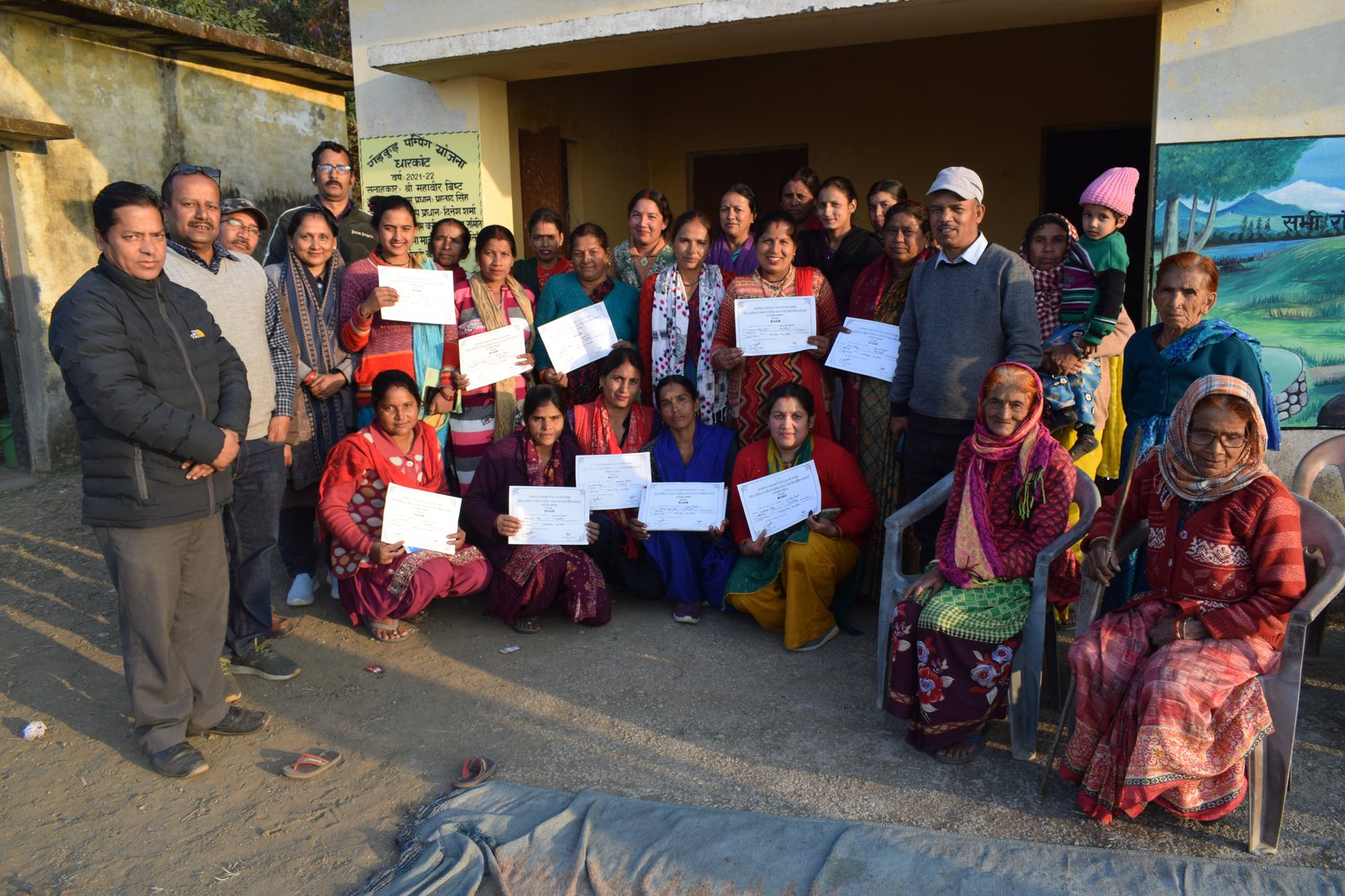
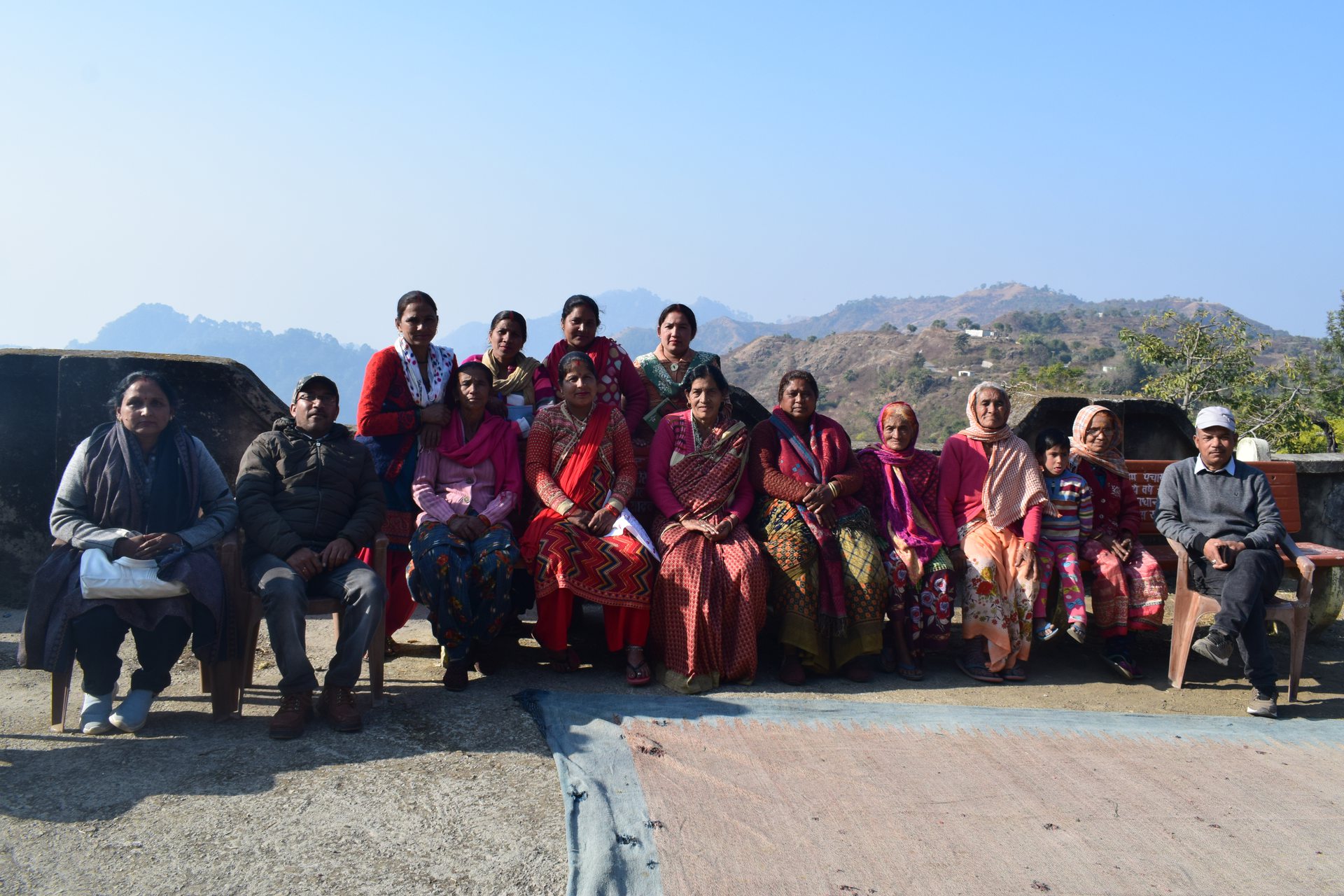
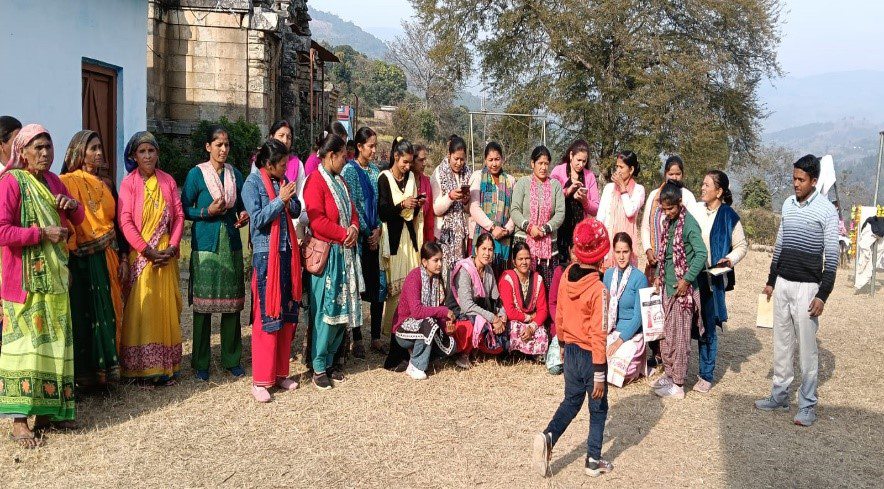
Rural women leaders and coordinators of Gramin Mahila Utthan Samiti with the Himalayas in Almora
“Dignity, agency, and community leadership in action.”Mahila Gram Uthan Samiti · Almora, Uttarakhand
28-May-1999Established in Almora
[XX]+Villages & communities
across mountain hamlets
[XX]+Women & girls reached
through local programs
06Core program areas
integrated Himalayan action
*All impact indicators reflect ongoing community documentation and verified reporting protocols.
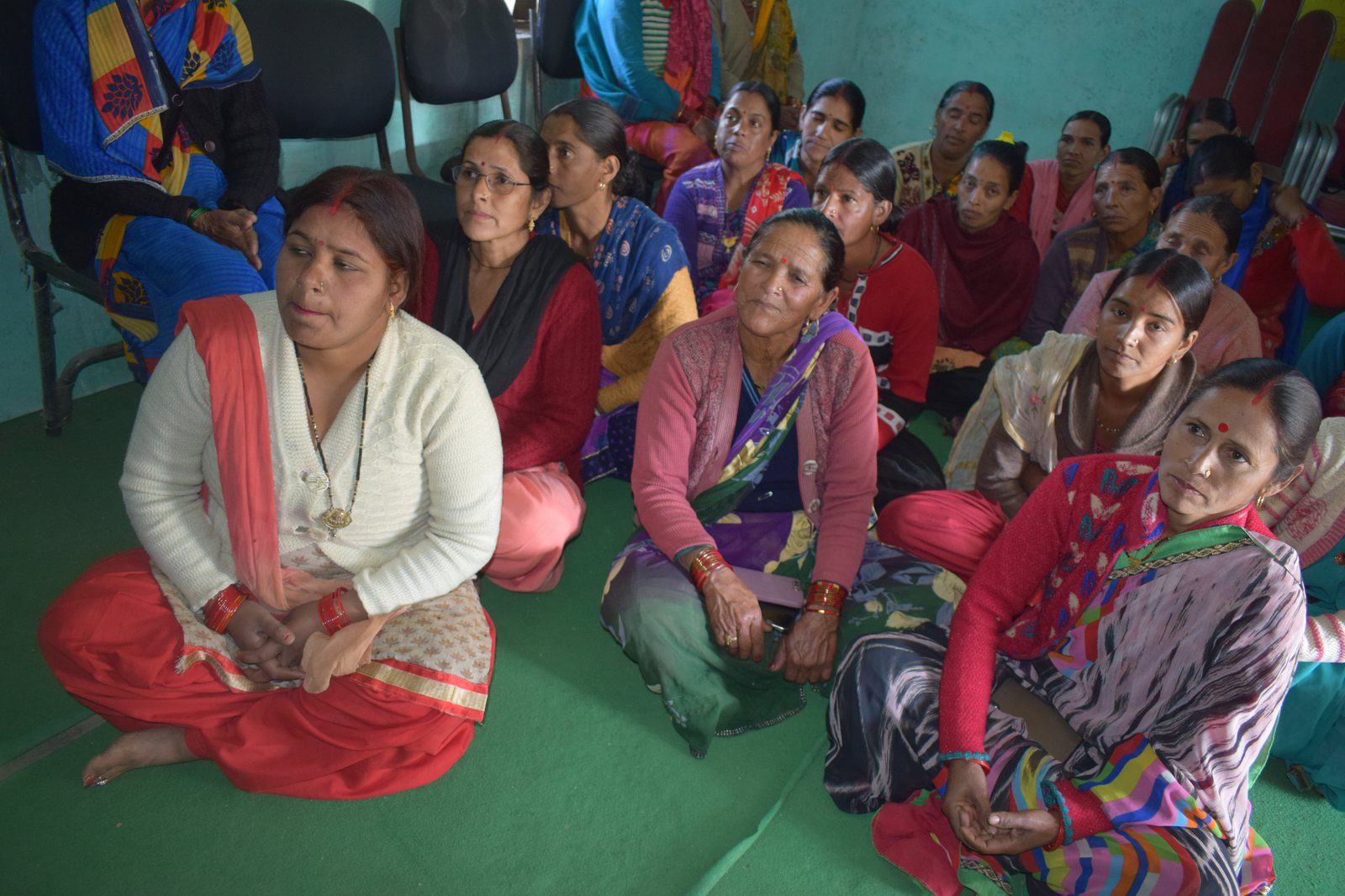
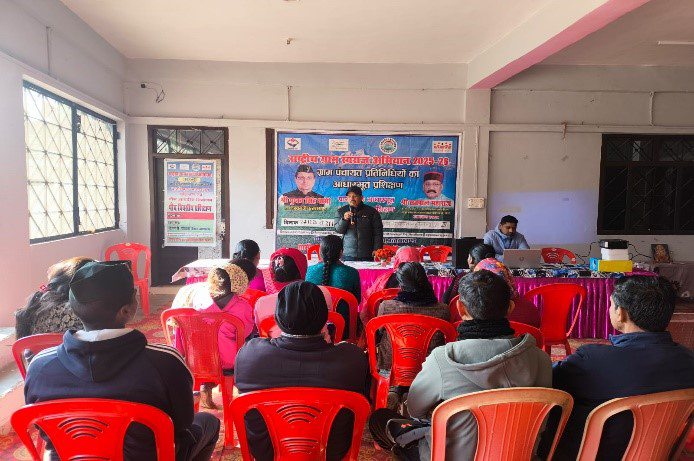
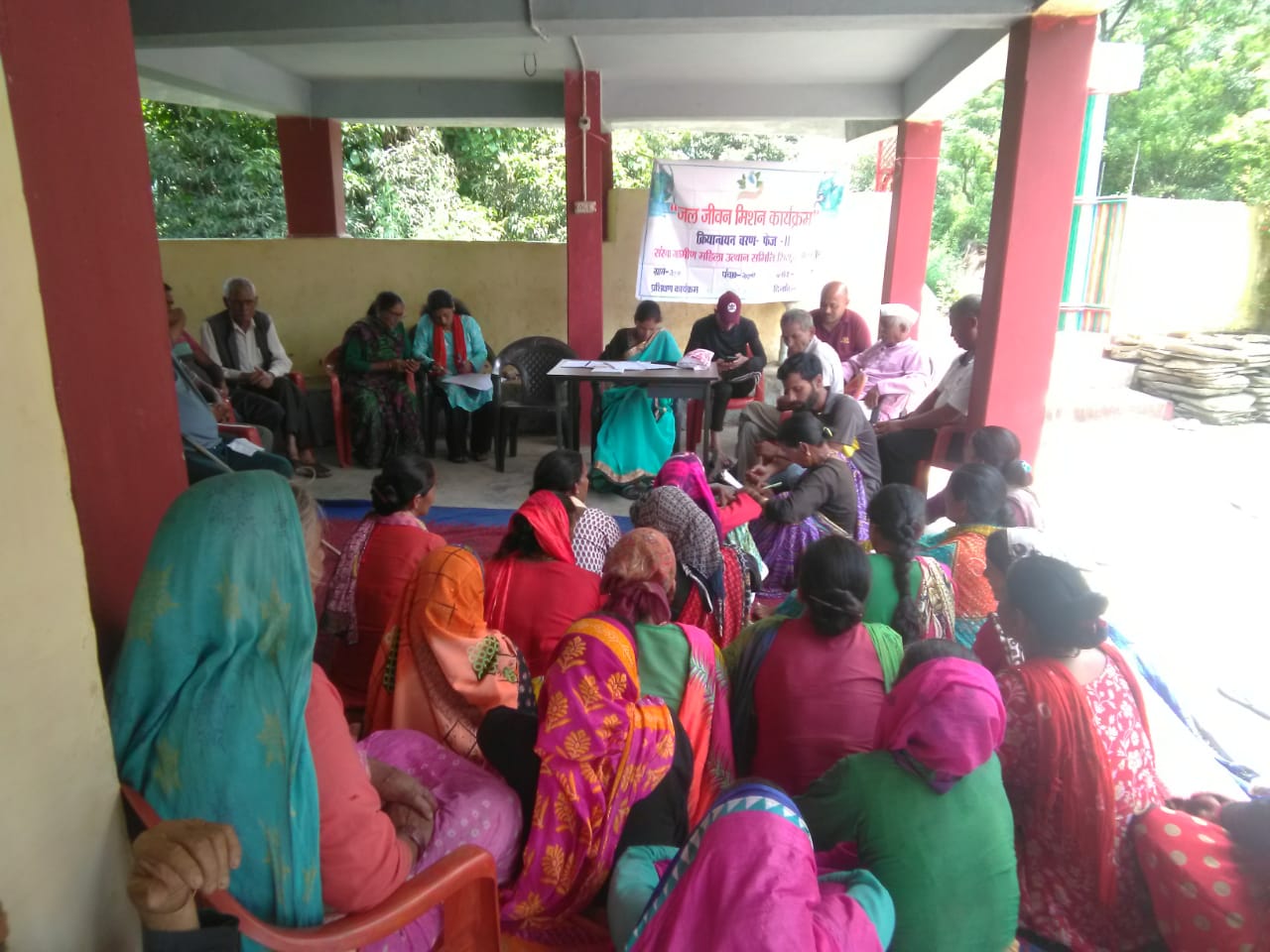
Community Gram Sabha consultation and village gathering in Almora district
Community Gram Sabha Consultation · Almora District

OUR STORY

Change grows from the community.

Mahila Gram Uthan Samiti began with a simple belief: lasting development is strongest when communities are active participants in shaping their own future. In the high valleys and terraced mountain ridges of Uttarakhand, the challenges of geography, environmental vulnerability, and economic transition are felt most deeply by village households.

Established in [FOUNDING YEAR] in Khatyari, Almora, MGUS was founded by local social workers, educators, and women community pioneers who recognized that outside models rarely endure without indigenous stewardship. We do not bring answers from afar: we sit in community circles, listen to traditional water-keepers, work with women farmers, and facilitate village-owned solutions.

“Community knowledge is not something to replace.
It is something to build upon.”Guiding principle · MGUS Foundation Charter

WHY THIS WORK

Rural communities deserve opportunity,
dignity and a voice in their own future.

Himalayan mountain villages face distinctive geographic realities: remote terrain, fragmented arable terraces, unpredictable climate shifts, out-migration of working youth, and fragile water sources.

Fragile mountain ecosystemsDrying perennial springs, shifting rainfall seasons, and forest-fire vulnerabilities directly impact water access and smallholder agriculture.
Livelihood pressures & out-migrationYouth out-migration places extreme physical and social burdens on mountain women, who steward families, livestock, and farms alone.
Democratic & institutional voiceEnsuring women and marginalized groups hold active, informed decision-making seats in Panchayats and natural resource management.

Our pathway of change

  1. OpportunityCreating avenues for financial security, skill building, and agricultural revitalization.
  2. ParticipationEnsuring collective spaces where women and youth actively debate, decide, and lead.
  3. CapacityInstitutionalizing governance know-how, watershed care, and market linkage expertise.
  4. ResilienceCultivating adaptive social, ecological, and economic systems against external shocks.
  5. Community-led changeSelf-reliant villages steering their own sustainable, dignified future.

OUR APPROACH

How we work

We believe development is most meaningful when people are partners in the process, not passive recipients.

PHASE 01

Listen

Start with community voices, needs, indigenous knowledge, and aspirations through unhurried village dialogues and participatory focus approaches.

Rooted in dialogue
PHASE 02

Co-create

Design local solutions with communities rather than simply for communities, mapping local assets, institutions, and shared ownership.

Shared ownership
PHASE 03

Strengthen

Build technical skills, local institutions, self-help groups, women's leadership, and financial administration and financial capacities.

Capacity first
PHASE 04

Sustain

Support ecological and social approaches that communities can continue, adapt, scale and fund beyond any project timeline.

Generational legacy

WOMEN & COMMUNITY

When women participate,
communities become stronger.

The word ‘Mahila’ in our name is not an afterthought; it is our foundation. In the Kumaon Himalayas, women are the backbone of agriculture and labor, forest preservation, natural spring conservation, and family wellbeing. Yet historical structures often excluded them from financial institutions and governance councils.

MGUS views women not as beneficiaries of aid, but as Community Leaders, Entrepreneurs, Stewards of Himalayan Biodiversity, Educators, and Primary Decision-Makers. Through Self-Help Groups (SHGs) and village federations, we nurture spaces where women hold collective voice, access credit, and steer regional village progress.

SHG CollectivesVillage-owned credit & support
Panchayati VoicesDemocratic governance training
Eco-StewardsSpring & forest rights
Explore our women-centered work
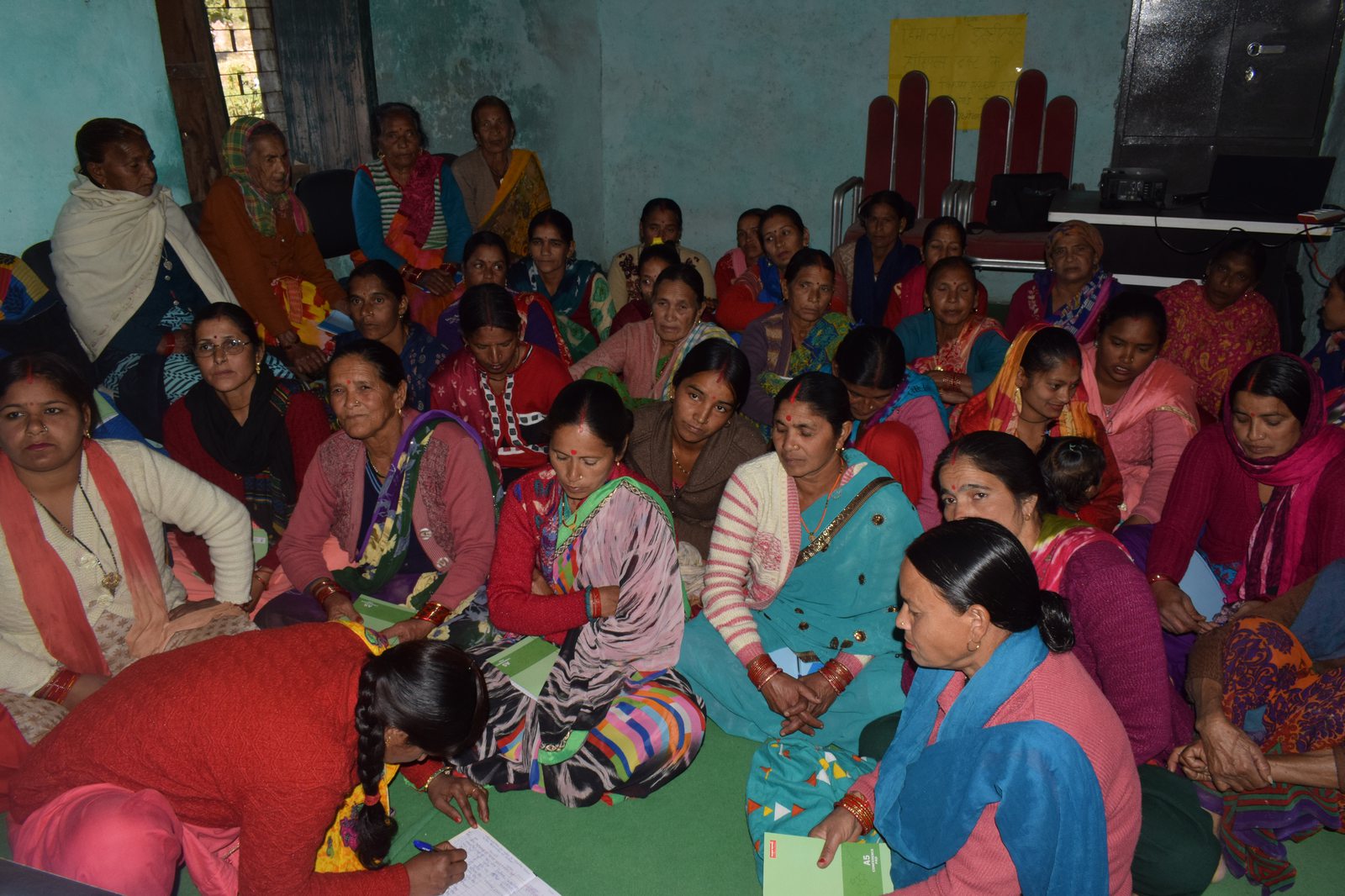
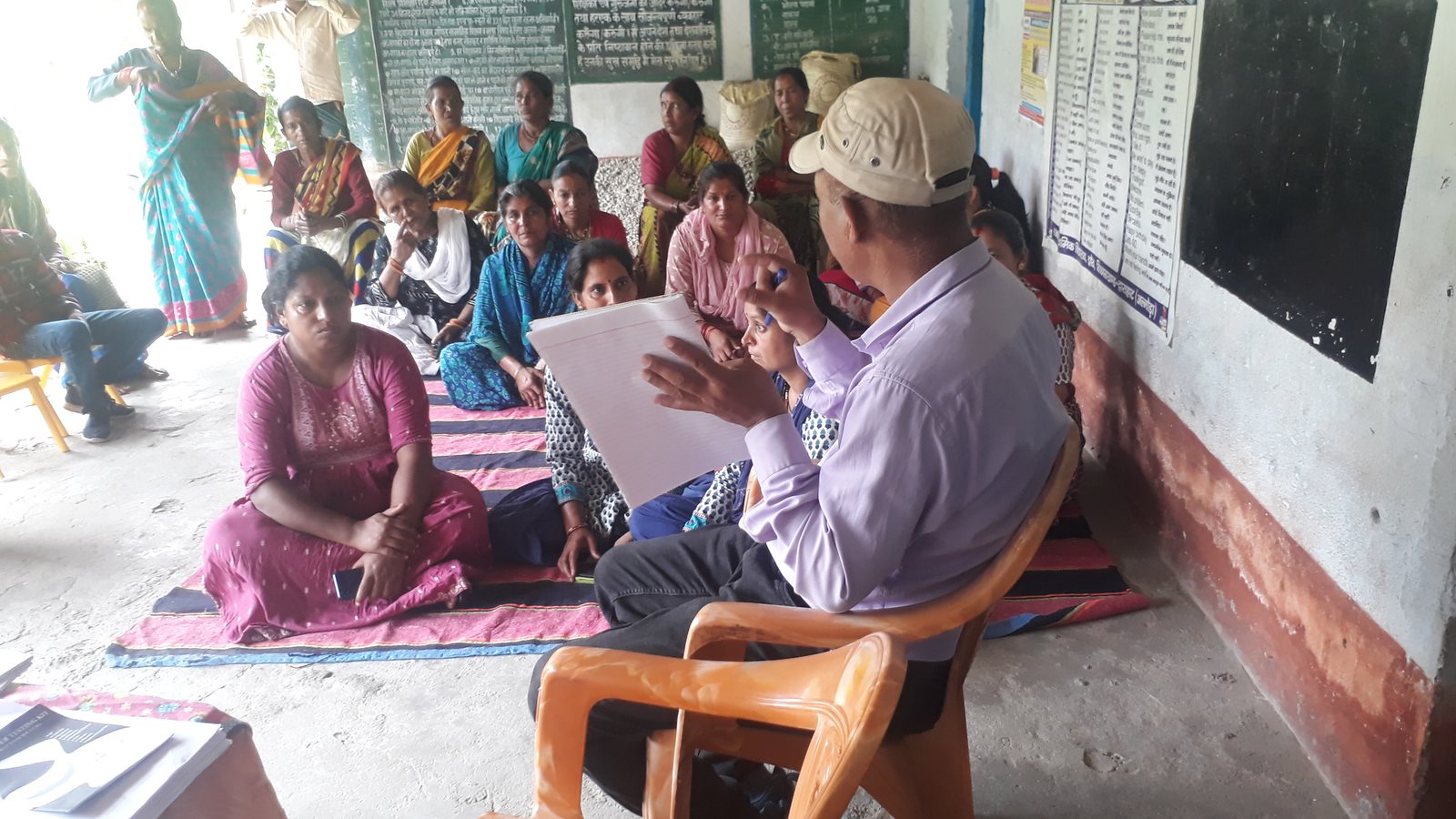
Women Self-Help Group members participating in interactive training and note-taking session
COMMUNITY LEADERSHIPShared decisions. Stronger livelihoods.
OUR VISION

An inclusive, resilient and empowered rural society.

We envision a future where mountain communities have the enduring opportunity, resources, and capacity to shape their own socioeconomic and ecological destiny with absolute dignity.

Guiding our 30-year trajectory
OUR MISSION

Working alongside communities for holistic wellbeing.

To work alongside rural communities in Uttarakhand to strengthen livelihood opportunities, local capacities, health access, and ecological resilience through participatory, accountable, and sustainable grassroots development.

Grassroots methodology · Almora & Kumaon

GUIDING ETHICS

Our values

Every program, interaction, and partnership is stewarded by six deep-seated principles.

Dignity

Every person deserves respect, equality, and opportunity. We discard paternalism in favor of mutual human dignity across every village initiative.

Participation

Communities have a meaningful, primary voice in decisions that affect their land, forests, and future. Nothing is decided about them without them.

Inclusion

Creating space for individuals of every background, caste, age, and circumstance, with dedicated emphasis on girls and women.

Sustainability

Balancing social and economic progress with Himalayan ecological integrity, protecting native oak forests, springs, and biodiversity.

Transparency

Fostering understanding, community and partner trust through openness, clear communication, audited financials, and rigorous accountability.

Collaboration

Strengthening impact through shared partnerships across sectors: local Panchayats, state departments, civil institutions, and researchers.

INTEGRATED DEVELOPMENT

Our work is connected

Rural challenges in the Himalayas are interdependent. Our six thematic pillars converge to create holistic, long-term impact.

Women empowerment

SHG federations, financial literacy, leadership workshops, and gender rights advocacy.

Livelihoods & crafts

Organic mountain produce, wool processing, traditional weaving, and fair market linkages.

Education & youth

Supplemental learning centers, girls' secondary education retention, and digital skill hubs.

Environment & climate

Spring shed regeneration, climate-smart community check dams, and native reforestation.

Health & wellbeing

Menstrual health education, adolescent menstrual health awareness, and remote mobile checkups.

Rural infrastructure

Community water tanks, solar-powered harvesting, solar lighting installations, and learning spaces.

OUR ROOTS

From Almora, connected to the communities of Uttarakhand.

Headquartered in Kharyari, Almora, MGUS's field teams navigate steep ridge roads and foothpath tracks to reach remote hamlets throughout the Kumaon region. We operate where mainstream infrastructure faces geographical barriers.

Local knowledge. Local partnerships. Long-term presence.We do not parachute in for short project cycles. Our field workers live and belong to the very communities they serve, ensuring genuine cultural empathy and continuous accompaniment.
Headquarters
Khatyari, Almora, Uttarakhand
Target Blocks
[BLOCK], [BLOCK], [BLOCK]
Regional Clusters
[VILLAGE / COMMUNITY SITES]
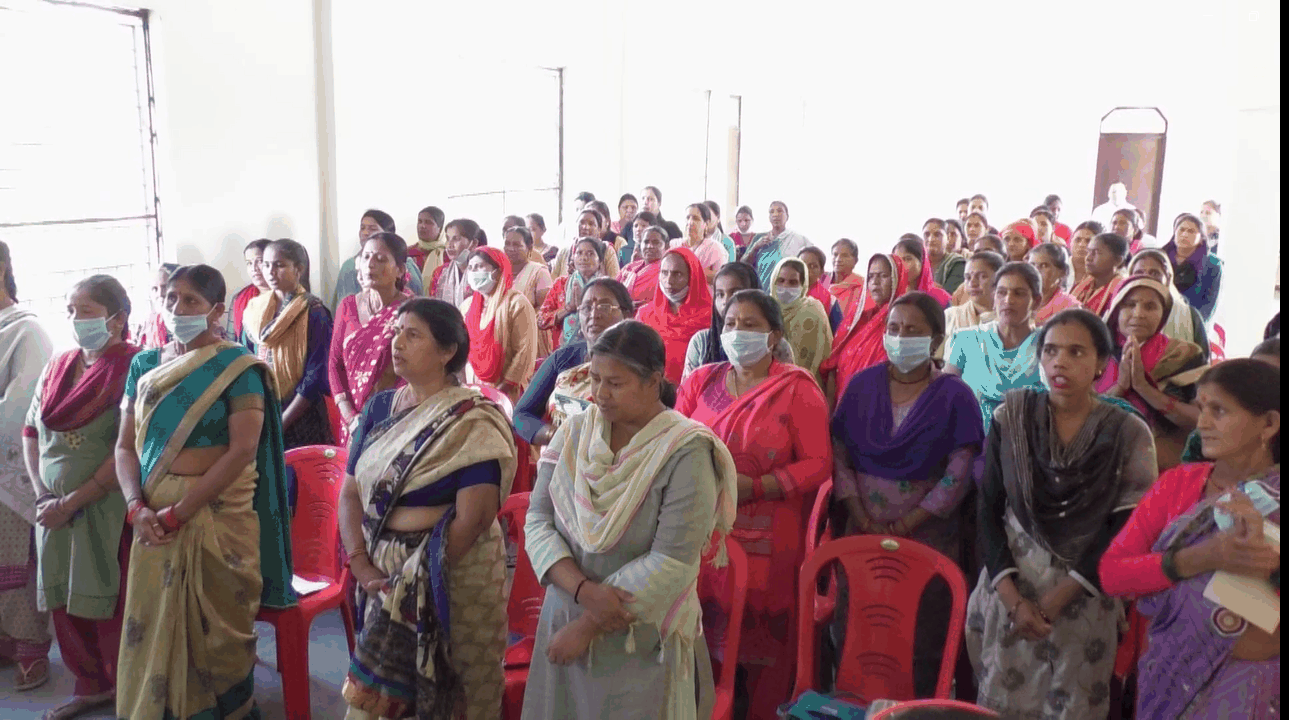
Rural women community representatives gathered from across mountain hamlets in Almora
Kumaon geographic hubServing mountain clusters across varied elevations · 1,200–2,400 MASL across Almora and adjacent blocks.

EVOLUTION

Our journey

Decades of patient, steady grassroots engagement with the families of the Kumaon hills.

01

Organization established

MGUS formally registered in Devbhoomi Almora, founded by local social workers committed to women's voice and community-led mountain development.

02

First grassroots collectives

Formation of the initial women's self-help clusters across pilot villages, establishing micro-savings and cooperative wealth production.

03

Watershed & agro-ecology expansion

Launched natural spring shed mapping and terraced water retention ponds to counter erratic hillside aquifers, securing year-round village drinking water.

04

Community health & girl learning

Rollout of village remedial education hubs to prevent girl child dropout, paired with maternal nutrition camps and menstrual health drives.

05

Deepening Himalayan resilience

Advancing multi-stakeholder partnerships, climate adaptation programs, institutional transparency, and digital grassroots empowerment.

*Timeline milestones are maintained in accordance with audited historical project archives.

OUR STEWARDS

The people behind the work

Rooted community leadership, seasoned field practitioners, and grassroots mobilizers dedicated to Almora.

* Profiles will be updated with verified organizational personnel.

[NAME]

[DESIGNATION / LEADERSHIP]

Leading strategic vision, community relations and institutional governance across MGUS's regional operations in Uttarakhand.

[NAME]

[PROGRAM COORDINATOR]

Coordinating natural resource management, spring-shed conservation, and women's self-help federation programs in hill blocks.

[NAME]

[COMMUNITY MOBILIZER]

Facilitating village Gram Sabha meetings, youth education circles, and women's micro-finance groups across local Panchayats.

COLLABORATIVE ECOSYSTEM

Change happens together.

Sustainable progress requires convergence. MGUS actively collaborates with civil society, state agencies, academic researchers, CSR foundations, and village collectives.

Village collectives & SHGs Panchayati Raj institutions Civil society networks CSR & corporate foundations Institutional grant-makers Academic & research bodies
Interested in partnering with MGUS Almora?We invite CSR entities, technical experts, and foundations to co-create sustainable initiatives in Uttarakhand.
Partner with MGUS

COMMUNITY VOICES

Change is best understood through
people's experiences.

Respectful firsthand accounts from community stewards and women leading transformations across their respective valleys.

ECOLOGICAL STEWARDSHIP

Nurturing forest nurseries & mountain springs

“When our hillside dried up, women walked two extra hours daily. By dignifying reforestation through local nurseries, water flowed once more into the public cisterns.”
[COMMUNITY MEMBER]
Village cluster, Almora
ECONOMIC AUTONOMY

Building financial independence through SHG crafts

“Our group began with fifty rupees each month. Today, we collectively finance small dairy purchases, school fees, and preserve our native wool-spinning craft.”
[PARTICIPANT NAME]
Community SHG lead, Kumaon
EDUCATION & FUTURE

Ensuring girl children reach higher secondary learning

“Distance and steep tracks used to stop our daughters after the 8th standard. With village study circles and community encouragement, our girls are completing schooling.”
[LOCAL LEADER]
Block resident, Uttarakhand

JOIN HANDS

Be part of community-led change.

Whether you want to support our grassroots work, volunteer your skills in Uttarakhand, build a corporate social responsibility partnership, or simply learn more, there is a place for you in this journey.

Contact MGUS Almora directly
Khatyari, Almora, Uttarakhand 263601 Verified grassroots nonprofit organization